Pakistan National Cricket Team Vs India National Cricket Team Match Scorecard
Pakistan National Cricket Team Vs India National Cricket Team Match Scorecard
Table of Contents
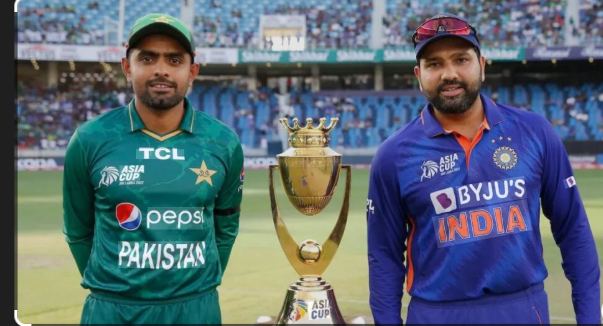
The Pakistan National Cricket Team vs India National Cricket Team match scorecard is far more than a simple record of runs, wickets, and results. It tells a story shaped by history, pride, and unmatched intensity. From their first meeting in 1952 to modern clashes in ICC tournaments, every match carries emotional weight and global attention. This rivalry blends skill with pressure, where players perform under the eyes of millions. Over the decades, it has produced unforgettable moments, legendary performances, and dramatic finishes. Each encounter adds a new chapter, making it one of the most compelling and celebrated rivalries in the world of cricket.
Latest Matches
Tournament
Venue
Date
Toss
Pakistan Score
India Score
Result
Series
Player of the Match
T20 World Cup
Colombo (RPS)
Feb 15, 2026
Pakistan (field)
114 (18 overs)
175/7 (20 overs)
India won by 61 runs
T20 World Cup
Ishan Kishan (IND)
Men’s T20 Asia Cup
Dubai (DICS)
Sep 28, 2025
Pakistan (bat)
146 (19.1 overs)
150/5 (19.4 overs)
India won by 5 wkts
Men’s T20 Asia Cup
Tilak Varma (IND)
Men’s T20 Asia Cup
Dubai (DICS)
Sep 21, 2025
Pakistan (bat)
171/5 (20 overs)
174/4 (18.5 overs)
India won by 6 wkts
Men’s T20 Asia Cup
Abhishek Sharma (IND)
Men’s T20 Asia Cup
Dubai (DICS)
Sep 14, 2025
Pakistan (bat)
127/9 (20 overs)
131/3 (15.5 overs)
India won by 7 wkts
Men’s T20 Asia Cup
Kuldeep Yadav (IND)
ICC Champions Trophy
Dubai (DICS)
Feb 23, 2025
Pakistan (bat)
241 (49.4 overs)
244/4 (45.2 overs)
India won by 6 wkts
ICC Champions Trophy
Virat Kohli (IND)
T20 World Cup
New York
Jun 9, 2024
India (bat)
113/7 (20 overs)
119 (19 overs)
India won by 6 runs
T20 World Cup
Jasprit Bumrah (IND)
ODI World Cup
Ahmedabad
Oct 14, 2023
Pakistan (bat)
191 (42.5 overs)
192/3 (37.1 overs)
India won by 7 wkts
ODI World Cup
Virat Kohli (IND)
Head-to-Head Summary
Format
Matches
India Won
Pakistan Won
Draw / NR
Test
59
9
12
38
ODI
136
58
73
5
T20I
17
14
3
0
Total
212
81
88
43
Best Player Analysis
Player
Team
Matches
Runs (Avg)
Wickets (Avg)
Key Impact Highlight
Virat Kohli
IND
20+
1,500+ (65+)
–
T20I king with 492 runs @ 70+ avg; clutch master
Sachin Tendulkar
IND
100+
2,526 (ODI)
–
ODI god — 5 centuries, highest run-getter ever vs PAK
Javed Miandad
PAK
63
2,228 (Test)
–
Test rock — 5 centuries, avg 67.51
Wasim Akram
PAK
70+
–
60 (25.15)
Swing magician — most wickets in ODIs
Inzamam-ul-Haq
PAK
77
2,403 (ODI)
–
Middle-order wall — 4 centuries vs India
Kapil Dev
IND
50+
–
99 (Test)
All-round fire — most Test wickets vs PAK
Hardik Pandya
IND
12+
–
17 (13.82)
T20 destroyer — best bowling avg in rivalry
Top Run Scorers All-Time
Rank
Player
Team
Total Runs
Matches
Batting Avg
Centuries
1
Sachin Tendulkar
IND
2,526+
69+
45+
5+
2
Inzamam-ul-Haq
PAK
2,403
67
43.69
4
3
Javed Miandad
PAK
2,228
28
67.51
5
4
Sunil Gavaskar
IND
2,089
24
52.22
5
5
Virat Kohli
IND
1,500+
20+
65+
0 (but 10+ fifties)
6
Zaheer Abbas
PAK
1,740
25
–
–
7
Babar Azam
PAK
670+
10+
55+
2+
The Birth of a Rivalry Rooted in History
The Pakistan National Cricket Team vs India National Cricket Team match scorecard is not just a record of runs and wickets, it is a reflection of history, emotion, and identity. When the two teams first met in 1952, the series carried far more weight than a typical cricket contest. Just a few years after partition, both nations stepped onto the field with pride and pressure stitched into every delivery. India hosted the inaugural Test series, where Lala Amarnath’s side showcased experience, while Pakistan, led by Abdul Hafeez Kardar, displayed raw determination. The early scorecards revealed cautious batting, disciplined bowling, and a visible tension that defined every session. It was not merely about winning but about establishing a cricketing voice on the global stage. Players understood that every run mattered beyond the boundary ropes, and every wicket triggered emotional reactions among fans. These initial encounters laid the foundation of what would later become one of the fiercest rivalries in sport, where cricket blended with national sentiment and unforgettable match stories began to unfold.
Match Detail
Information
First Match Year
1952
Format
Test Cricket
Venue
Delhi, India
India Captain
Lala Amarnath
Pakistan Captain
Abdul Hafeez Kardar
When Bilateral Series Became Battlefields
By the 1970s and 1980s, the Pakistan National Cricket Team vs India National Cricket Team match scorecard had transformed into a story of fierce contests where every bilateral series felt like a battlefield. The cricket was no longer just strategic, it became intense, fast-paced, and emotionally charged. Pakistan, powered by a lethal pace attack featuring Imran Khan and Sarfraz Nawaz, began to challenge India’s batting depth with aggression and reverse swing. On the other hand, India relied on technically sound players like Sunil Gavaskar and Gundappa Viswanath, who countered pace with patience and precision. The scorecards from this era often showed low-scoring thrillers, sudden collapses, and match-defining spells that could turn the game within a session. Captains became tacticians, using field placements and bowling changes as weapons. Every run was contested, every wicket celebrated with intensity. These bilateral series were no longer routine tours, they were high-stakes battles that deepened the rivalry, creating unforgettable match stories that fans still recall with passion.
Key Aspect
Details
Era
1970s to 1980s
Pakistan Strength
Fast Bowling and Reverse Swing
India Strength
Solid Technique and Defensive Batting
Key Players
Imran Khan, Sunil Gavaskar, G Viswanath
Match Style
Intense, Low Scoring, Tactical Battles
Sharjah Nights and Desert Storms of Drama
The Pakistan National Cricket Team vs India National Cricket Team match scorecard reached a new level of drama during the electrifying Sharjah era of the 1980s and 1990s. Under desert skies, these encounters turned into nail-biting spectacles where the margin between victory and defeat was often just a single delivery. Packed stadiums, roaring crowds, and high stakes created an atmosphere unlike any other. One of the most iconic moments came in 1986 when Javed Miandad struck a last-ball six, sealing victory for Pakistan and etching his name into cricket folklore. India responded in later years with equally thrilling performances, as players rose under pressure and delivered unforgettable innings. The scorecards from Sharjah frequently showcased tight chases, dramatic collapses, and clutch performances in the final overs. These matches were not just contests but emotional rollercoasters where momentum shifted rapidly. Sharjah became synonymous with tension, brilliance, and controversy, turning this rivalry into a global spectacle that fans across generations still remember vividly.
Key Aspect
Details
Era
1980s to 1990s
Iconic Moment
Miandad Last Ball Six (1986)
Match Nature
Last Over Thrillers
Venue
Sharjah Cricket Stadium
Rivalry Impact
Global Popularity and High Drama
World Cup Encounters That Froze Time
The Pakistan National Cricket Team vs India National Cricket Team match scorecard reached its most intense and unforgettable phase during ICC World Cup encounters, where every ball seemed to carry the weight of millions of expectations. Unlike bilateral series, these matches unfolded on the grandest stage, with global audiences watching every moment in silence and anticipation. Starting from their first World Cup clash in 1992, India established a psychological edge, consistently outperforming Pakistan in high-pressure situations. Matches often featured electric starts, sudden collapses, and heroic individual performances that turned players into legends overnight. Whether it was disciplined bowling spells or match-winning innings under pressure, the scorecards from these encounters told stories of composure versus nerves. The tension was visible not just on the field but in the stands, where fans experienced every run and wicket like a heartbeat. These World Cup battles were more than games, they were frozen moments in cricket history where time seemed to stand still, and the rivalry reached its absolute peak.
Key Aspect
Details
Tournament
ICC Cricket World Cup
First Clash
1992 World Cup
India Record
Dominant Winning Streak
Match Pressure
Extremely High
Rivalry Impact
Global Attention and Historic Moments
Legends Who Turned Matches Into Epics
The Pakistan National Cricket Team vs India National Cricket Team match scorecard has often been transformed by legendary players who turned ordinary games into unforgettable epics. These were cricketers who thrived under pressure and delivered when the stakes were at their highest. For India, icons like Sachin Tendulkar and Virat Kohli crafted innings that combined skill with composure, often anchoring chases against fierce bowling attacks. On the other side, Pakistan found its heroes in Wasim Akram and Inzamam-ul-Haq, whose brilliance with ball and bat could shift momentum in a matter of overs. These players did not just contribute runs or wickets, they defined moments. Their performances often appeared as match-winning spikes in the scorecards, whether it was a century under pressure, a devastating spell of swing bowling, or a crucial partnership that steadied the innings. Fans remember these clashes not just for the result but for the individual brilliance that lit up the rivalry. These legends elevated the contest, ensuring that every encounter carried the promise of something extraordinary.
Key Aspect
Details
Indian Legends
Sachin Tendulkar, Virat Kohli
Pakistan Legends
Wasim Akram, Inzamam-ul-Haq
Impact
Match-Winning Performances
Key Contributions
Centuries, Wickets, Partnerships
Rivalry Effect
Elevated to Legendary Status
Aggression, Sledging and On-Field Tension
The Pakistan National Cricket Team vs India National Cricket Team match scorecard has never been just about numbers, it has often carried the visible marks of aggression, sledging, and intense on-field tension. As the rivalry grew sharper, players from both sides began to engage in verbal battles and psychological mind games, turning matches into emotionally charged contests. Moments involving Javed Miandad and Kiran More became symbolic of this intensity, where gestures and words added fuel to an already heated atmosphere. Similarly, fierce fast bowlers like Shoaib Akhtar often used pace and aggression to intimidate Indian batsmen, while players like Sourav Ganguly responded with bold attitude and leadership. These confrontations were not just about ego, they were tactical attempts to break concentration and gain an edge. The tension frequently reflected in the scorecards through sudden collapses or inspired performances under pressure. Fans could feel the energy through every delivery, as each exchange added another layer to the rivalry’s narrative. This aggressive edge made the contests unpredictable, dramatic, and deeply engaging, ensuring that every match carried a sense of urgency and raw emotion.
Key Aspect
Details
Nature
Verbal Duels and Mind Games
Iconic Moment
Miandad vs Kiran More Incident
Pakistan Style
Aggressive Fast Bowling
India Response
Bold Leadership and Counter Attacks
Impact
High Pressure and Emotional Matches
Tactical Evolution Across Formats
The Pakistan National Cricket Team vs India National Cricket Team match scorecard has evolved significantly as cricket itself transitioned from traditional Tests to fast-paced ODIs and explosive T20 formats. In the early years, strategy revolved around patience, long innings, and defensive field placements, with captains focusing on wearing down opponents over multiple days. As limited-overs cricket gained popularity, teams adapted quickly, introducing aggressive batting, innovative stroke play, and sharper fielding standards. Players like MS Dhoni brought calm, calculated finishing strategies to India’s approach, while Shahid Afridi redefined power-hitting with fearless intent. The rise of T20 cricket further changed the dynamics, where every ball became crucial, and tactics shifted toward maximizing scoring opportunities and using specialized bowlers for specific phases. Captains began relying on data analysis, match-ups, and flexible batting orders to gain an advantage. Scorecards from modern encounters reflect higher run rates, frequent boundary hitting, and strategic bowling changes. This tactical evolution has kept the rivalry fresh and unpredictable, ensuring that each format brings a new layer of excitement and complexity to one of cricket’s greatest contests.
Key Aspect
Details
Test Strategy
Patience and Defensive Play
ODI Approach
Balanced Attack and Rotation
T20 Style
Aggressive and High Scoring
Key Players
MS Dhoni, Shahid Afridi
Tactical Shift
Data Driven and Flexible Gameplay
Matches That Redefined the Rivalry Forever
The Pakistan National Cricket Team vs India National Cricket Team match scorecard is filled with games that did more than decide winners, they reshaped the entire rivalry. These were matches where pressure peaked, expectations soared, and history changed course in a matter of overs. One such defining moment came during the 2007 T20 World Cup final, when India held their nerve in a last-over thriller, with MS Dhoni making a bold decision to trust Joginder Sharma for the final over. Pakistan, led by Misbah-ul-Haq in that moment, came agonizingly close before a dramatic finish sealed India’s victory. Another unforgettable clash occurred in the 2011 World Cup semi-final, where India delivered a composed performance under immense pressure to secure a historic win. These matches were not just about skill but about nerve, leadership, and decision-making in crunch situations. The scorecards from these encounters tell stories of tight chases, crucial breakthroughs, and match-winning moments that shifted the psychological balance between the teams. Such games elevated the rivalry beyond sport, turning it into a saga of defining moments that continue to influence every new encounter.
Key Aspect
Details
Iconic Match
2007 T20 World Cup Final
Key Moment
Final Over Drama
Another Classic
2011 World Cup Semi Final
Leadership Impact
MS Dhoni’s Captaincy Decisions
Rivalry Shift
Psychological Edge Changes
Conclusion
The Pakistan National Cricket Team vs India National Cricket Team match scorecard continues to evolve, but its essence remains rooted in passion, competition, and history. From cautious early matches to high-intensity modern clashes, this rivalry has consistently delivered drama and excellence. It has shaped careers, inspired generations, and elevated cricket’s global appeal. As new players emerge and formats change, the intensity of these encounters only grows stronger. Every future match promises fresh excitement and unforgettable moments. This rivalry is not just a contest between two teams, it is a timeless story that will continue to define the spirit of cricket.

Leave a Reply